Soccer Training Equipment Reviews and Buying Guides
SoccerPure helps coaches, parents and players choose soccer training equipment with confidence. We cover balls, cones, goals, goalkeeper gear and protective kit, and we pick products by durability, safety, ease of setup and value for money.
SoccerPure is a curated guide to soccer training equipment for coaches, parents and players who want gear that lasts. We explain what to buy, what to skip and how to set it up safely, through roundups, reviews, guides and how-to advice. Topics covered: balls and pumps, cones and field setup, goals and nets, goalkeeper gear, shin guards, footwear, bags, mannequins and team equipment.
Latest Contents
What Is SoccerPure?
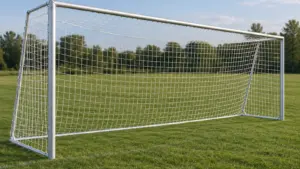
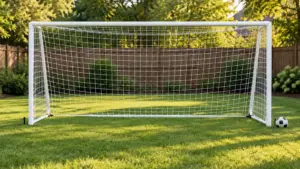
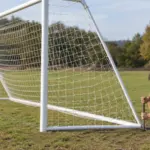
A goal that is not anchored properly is a safety risk, no matter how good the net looks.
How SoccerPure Chooses Gear
- Durability in weekly use: We check stitching, seams, frames and materials, because training gear takes far more punishment than match day kit.
- Safety and stability: We look at goal anchoring, shin guard coverage and surface suitability first, since young players are often the ones using this gear.
- Setup and storage: We ask how fast an item sets up, packs down and travels, because volunteer coaches rarely have extra time.
- Fit for age and budget: We match gear to player age, surface and spend, and say when a simple, cheaper option is enough.
Frequently Asked Questions
What soccer training equipment should a new coach buy first?
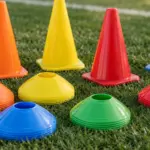
Start with a set of balls in the right size, a stack of flat or dome cones, and a mesh bag to carry everything. Add bibs and a portable goal later, once you know how your sessions run and what your squad needs most.
What size soccer ball should my child use?
Size depends on age. Younger children generally use a size three, players from about eight to twelve often use a size four, and older players move to a size five. Check the maker’s age guidance, since fit affects control and comfort.
How do I keep a portable soccer goal safe?
Always anchor goals with sandbags or stakes, even for short sessions, and never let players hang on the crossbar. Check the frame and net for damage before each use, and follow the maker’s instructions. Take goals down or secure them when not in use.
How should shin guards fit?
Shin guards should cover most of the space between the ankle and just below the knee, sit snugly without pinching, and stay put when the player runs. Try them on with socks, and check that they do not slide when the player kicks.
Do I need different soccer gear for grass and turf?
Often yes. Footwear is the main difference, since studs and soles are designed for specific surfaces. Balls, cones and goals work on most fields, but turf can wear some materials faster, so look for sturdy construction if you train on artificial surfaces.
Most Viewed
Most Asked
- 1Flame Soccer Ball Review: Is It Right for You?Soccer Balls
- 2Soccer Ball Size by Age: Which Ball Should You Choose?Soccer Balls
- 3What Soccer Equipment Does a Child Need?Soccer Balls
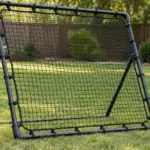
- 4Soccer Rebounder Net vs. Rebound Board: Which Should You Choose?Soccer Rebounders
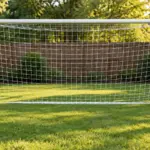
- 5How to Anchor a Soccer Goal SafelySoccer Goals
- 6Average Soccer Field Size: How Big Is a Standard Field?Field Setup
- 7Difference Between Soccer Ball Sizes: What Changes?Soccer Balls
- 8Indoor Soccer Ball vs Outdoor: Which Should You Use?Soccer Balls